smart surgon asistant system in
ortheopedice surgery

Introduce
This system is an intelligent, sterile-friendly image manager for the operating room that unifies MRI, fMRI, DTI, and tumor maps into a single, surgeon-centric workspace. Using voice and gesture controls, the surgeon navigates 2D and 3D views, manages layers in real time, and makes faster, more confident decisions—at a significantly lower cost than comparable foreign systems.
Key Capabilities
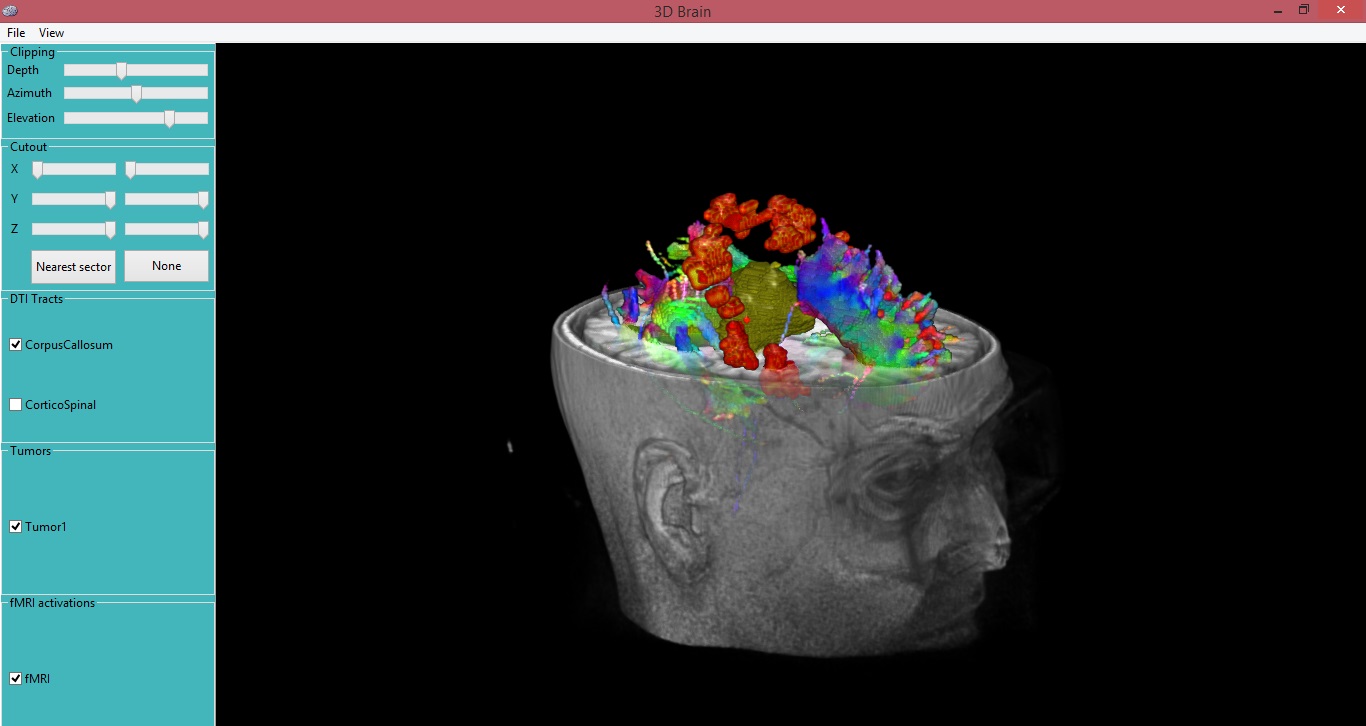
Simultaneous brain + tumor display with the option to toggle the tumor layer on/off.
Multi-angle slicing (axial/coronal/sagittal and oblique) for precise margin assessment.
Preserves the 3D tumor model even while slicing through the brain volume.
Dual 2D/3D visualization for quicker, safer interpretation.
Image editing tools: adjust window/level (brightness/contrast), rotate/flip, on-image notes, ruler, and angle measurement.
Maintain and display DTI tracts and fMRI activations while cutting through brain cross-sections.
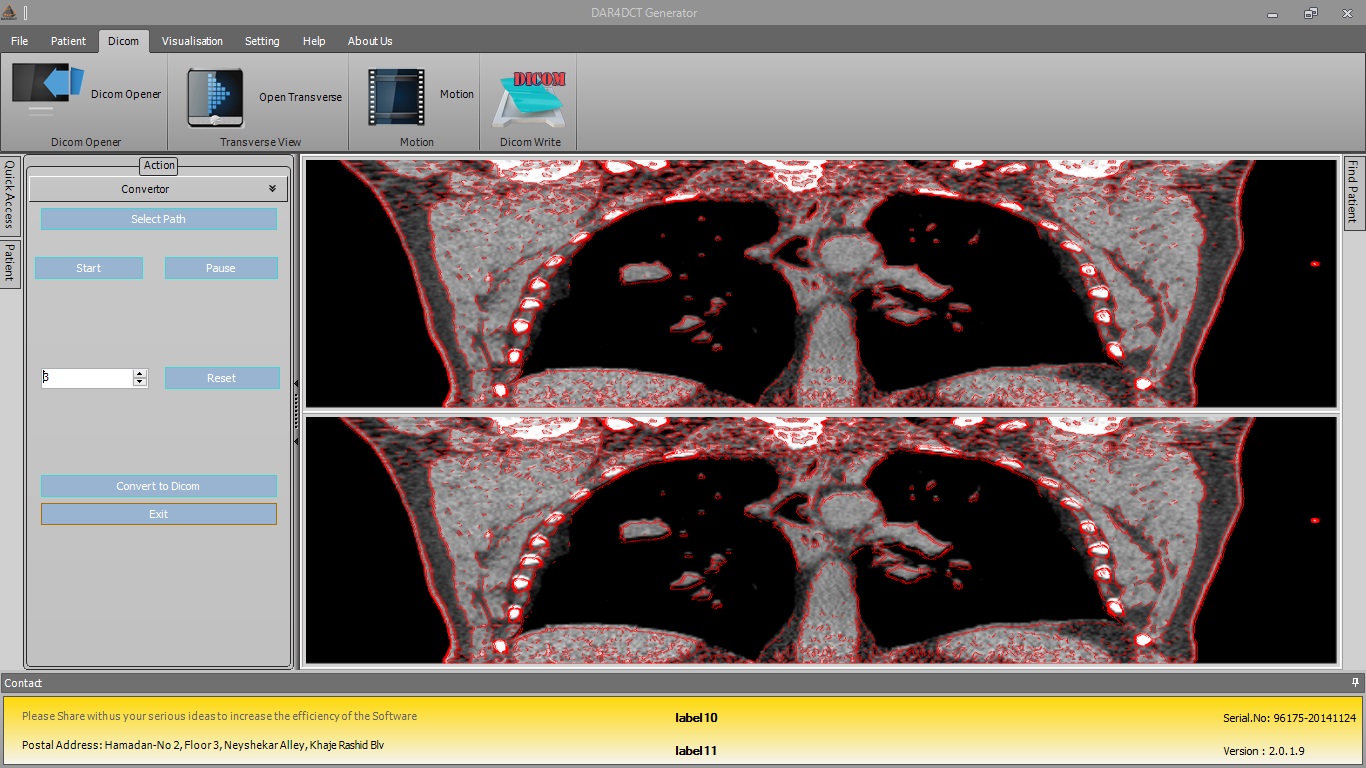
Direct PACS connectivity (DICOM) for secure, rapid image retrieval.
Real-time 3D rendering of fMRI, DTI, and tumor from multiple viewpoints with layer management (show/hide, transparency, ordering).
Touch-free, sterile interaction via voice and motion commands, removing the need for an intermediary operator and improving OR hygiene.
Clinical & Operational Benefits
Higher accuracy and surgeon focus through direct, sterile image control.
Reduced intraoperative time by eliminating the back-and-forth with a human intermediary.
Substantial cost savings in acquisition and maintenance versus imported alternatives.
In short: sharper visuals, faster interaction, safer workflow—so the path to a surgical decision is as quick as a single voice command.
From Academic Idea to OR-Ready Solution
The initial concept began as a student thesis tackling a clear challenge: give neurosurgeons a fast, sterile, hands-free way to manage MRI/fMRI/DTI and tumor maps during surgery. The academic prototype proved the approach and paved the way for a real clinical product.
Next, Bita Negar Afzar transformed the idea into a mature clinical software platform:
Seamless integration with PACS using the DICOM standard
Real-time 2D/3D rendering with multi-planar/oblique slicing and layered display of tumor, fMRI, and DTI
Touch-free control (voice and gesture) to preserve sterility and surgeon focus
Precise editing and measurement tools (window/level, rotation, annotations, ruler, angle)
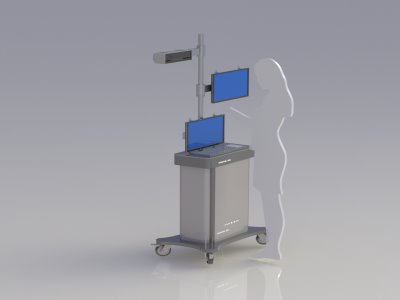
To optimize performance in the operating room, the team designed a dedicated mobile cart (trolley)—turning the software into a complete solution:
GPU-powered workstation with a 4K surgical display on a compact, stable cart
Ergonomic layout of ports and sensors with sterile covers
Clean cable management and secure hospital network connectivity
Quick access to I/O and compliant, secure image storage
The result is a solution that started as research, was productized by Bita Negar Afzar as robust software, and was engineered on a purpose-built trolley for the OR—faster, more precise, and cost-effective, ready to support critical surgical decisions.

: تهران خیابان کارگر شمالی، خیابان فرشی مقدم
پردیس شمالی دانشگاه تهران، پارک علم و فناوری دانشگاه تهران واحد 229